• About

Seeking and Serving

~ seek and serve Christ in all persons

Seeking and Serving

Tag Archives: creation

Sermon – Matthew 11.25-30, Feast of St. Francis, YB, October 3, 2021

06 Wednesday Oct 2021

Posted by jandrewsweckerly in Sermons

≈ Leave a comment

Tags

animals, blessing, burden, creation, easy, God, Jesus, sacred, Sermon, St. Francis, wealth, work, yoke

Occasionally I wander the Hickory Neck property as a way of clearing my head.  I often end up over in the St. Francis Memorial Garden, reveling in the quiet in that remote corner behind the Historic Chapel.  The bucolic scene and the St. Francis statue make me imagine the peaceful walks he took in his journey to commune with God and God’s created order.  The funny thing is our celebrations of St. Francis today are nothing like those peaceful moments.  There is the chaos of the drive-thru, as confused pets worry they are headed toward the dreaded veterinarian or are confused by the people in clerical garb.  There is the hubbub of owners calming pets inside the New Chapel, the curiosity of what unique pets one may see, and the endless giggles and chuckles about unpredictable animals in an enclosed space.  The whole morning is a morning of contrasts.

The contradictions of this day are equally evident in our Gospel lesson.  Our gospel lesson closes with one of our favorite invitations from Jesus, “Come to me, all you that are weary and carrying heavy burdens, and I will give you rest.  Take my yoke upon you … and you will find rest for your souls.  For my yoke is easy, and my burden is light.”  Those words describe a loving, gentle Jesus, who enfolds us in a calm, affirming embrace.  At least, they should.  But if we read the words critically, there is more contrast in them than we might like to admit.  Yes, Jesus taking our heavy burdens and recognizing our weariness is balm for the soul.  But the last time I checked, yokes were not exactly tools for rest.  And even though Jesus promises his yoke is easy, the yoke is still a yoke – a tool for directing, guiding, ensuring productive work is done.  Having listened to the gospels these last weeks, we know this work is anything but light.  In the last few weeks in Mark’s gospel, Jesus told us we would have to take up our cross, suffer, and die; that discipleship would mean being servant of all; and that if our hand or eye were causing us to stumble, we should just cut them off!  That does not really sound like an easy yoke to me!

Part of what we appreciate about St. Francis, and why we celebrate him every year – besides having an excuse to have a day to honor our beloved animals – is St. Francis understood Jesus’ words in a tangible, personal way.  Francis grew up in the life of luxury.  He grew up in a privileged home, lived a life of young adult revelry, and could have easily assumed his father’s wealth in adulthood.  But there were these poor people everywhere he looked around town.[i]  And there was the day everything changed at the church of St. Mary of the Angles[ii], when Francis heard different words from Matthew’s gospel, just a chapter before what we heard today.  Jesus says, “Cure the sick, raise the dead, cleanse the lepers, cast out demons…Take no gold, or silver, or coper in your belts, no bag for your journey, or two tunics, or sandals, or a staff…”[iii]  For Francis, Jesus’ yoke felt light because the yoke of keeping up appearances, the yoke of ignoring the poor to enjoy your own wealth, the yoke of never feeling like you have enough was indeed a heavy yoke.  The yoke of another way – of the way of Jesus – helped Francis reframe his entire life.

That is what we celebrate too.  St. Francis, in his faith conversion, and in his ability to see the sacred in all of God’s creation, saw the truth of our gospel lesson today.  As one scholar explains, “The proper ordering of our relationship to Father and Son can be deemed ‘light’ and ‘easy’ because an improper relationship to them surely makes for a much harder and more restless life!”[iv]  Whether in the pure love between animals and owners, whether in peaceful moments with God’s creation, or whether in today’s gospel lesson and in Francis’ example, our invitation today is to let go of the hard and restless life and to take up the light burden of Jesus’ easy yoke.  The more we practice taking on that yoke, the more we find work that is meaningful, life-giving, and blessed.  And that is a yoke we can all enjoy!  Amen.


[i] Holy Women, Holy Men:  Celebrating the Saints (New York:  Church Publishing, 2010), 622.

[ii] Hilarion Kistner, O.F.M., The Gospels According to Saint Francis (Cincinnati:  Franciscan Media, 2014), 6-7.

[iii] Matthew 10.7-10

[iv] Colin Yuckman, “Commentary on Matthew 11:16-19, 25-30,” July 9, 2017, as found at https://www.workingpreacher.org/commentaries/revised-common-lectionary/ordinary-14/commentary-on-matthew-1116-19-25-30-4 on October 1, 2021.
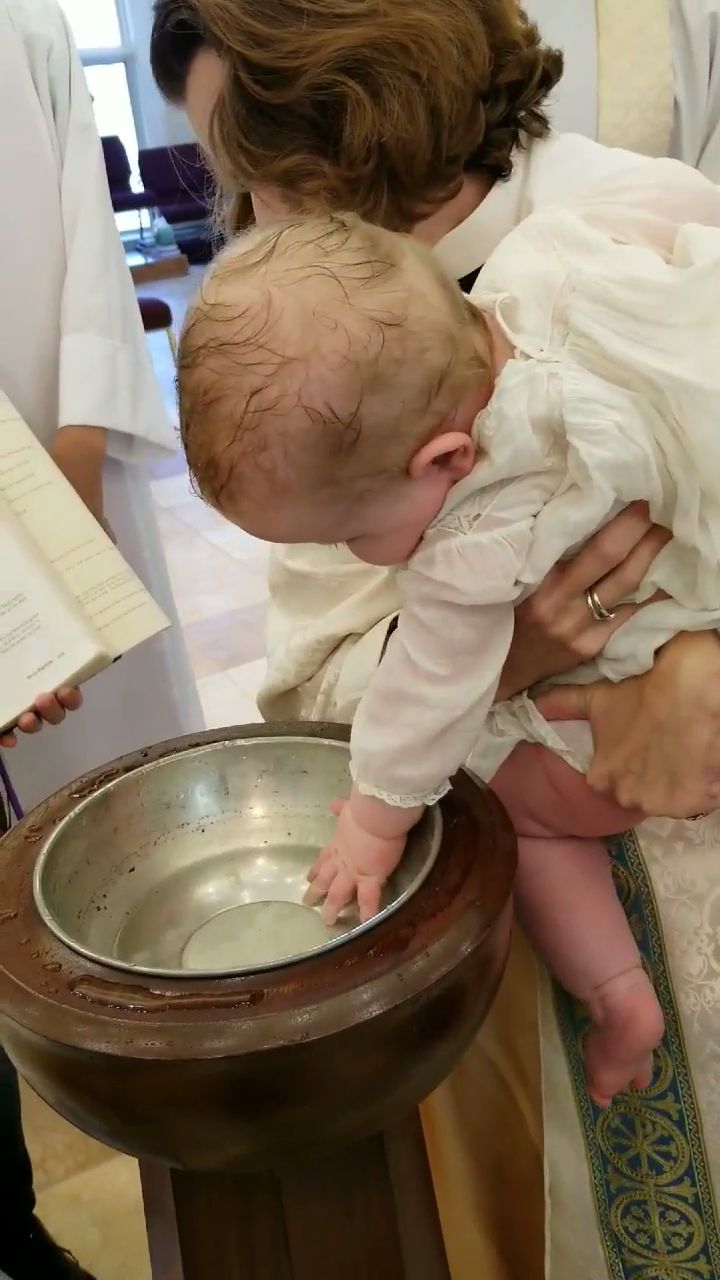

On Baptisms, Babies, and Blessings…

16 Wednesday Jun 2021

Posted by jandrewsweckerly in reflection

≈ Leave a comment

Tags

absence, babies, baby, baptism, blessing, creation, family, God, loud, messy, mystery, pandemic, sacred, touch, vulnerability, wonder

Photo credit: Kim Edwards; reuse with permission only

I was never really a baby person:  I did not do much babysitting as an adolescent; except for my little brother, there were not a lot of babies around me growing up; and I was just never all that jazzed about babies.  They seemed delicate, loud, messy, and mysterious.  I never had maternal urges in early adulthood, and my friends found constant amusement in any scenario where the question arose about who should take care of a baby in a pinch – obviously, the baby should not come my way.  But the time my husband and I were engaged, we were not even sure we wanted to have children.

Then in my early thirties, a switch flipped and I realized, in fact, I did want children.  I still was not sure about other babies, but I was excited about my own.  But then a funny thing happened.  I was ordained a deacon when I was about seven months pregnant.  What I did not realize was once you are ordained, you handle babies a lot – in baptisms, in walking moms through pregnancies and births, and even in the receiving line at church.  Once I went through babyhood with my own daughter, and she was no longer at that lovely, innocent stage, I realized my vocation included mothering a lot of other babies.  It has become one of my favorite parts of ministry because it is a glimpse into the wonder and mystery of creation and the grandeur of our God.

So, you can imagine, when this pandemic hit, among the myriad reasons my heart hurt was not being able to interact with babies.  Our church had babies born during the pandemic and it killed me to not be able to welcome the baby at the hospital and give the baby and family their first blessing.  My heart ached to see baby photos on social media and know the babies were growing up without the church surrounding them in love.  But mostly, my arms palpably felt the absence of holding babies, swaying to keep them calm, and smelling their unique baby scent.

As we slowly come out of this pandemic, I am keenly aware of the privilege of holding babies again.  At a recent wedding I tentatively asked a guest, who I did not know, if they would like me to hold their baby to give them a break.  When they quickly passed me the baby, my face lit up.  Last Sunday, when I finally got to hold the baby we had prayed for all during her time in the womb, I was elated.   And as we approach two more baptisms this weekend, I could not be more excited to make those special connections – even though they are not really babies anymore!  One of the blessings of the rise in vaccinations is enjoying the sacred honor of touch, of experiencing vulnerability and innocence, and of redefining the boundaries of family.  This week I give thanks for the abundance of love and joy.  May you all find your own encounters with the holy this week!

Sermon – Matthew 11.25-30, St. Francis Feast, YA, October 4, 2020

07 Wednesday Oct 2020

Posted by jandrewsweckerly in Sermons

≈ Leave a comment

Tags

animals, blessing, Blessing of the Animals, connection, creation, God, humanity, interconnected, Jesus, poor, Sermon, solidarity, St. Francis, yoke

Today we honor the life and witness of St. Francis of Assisi.  St. Francis is well-known and beloved for myriad reasons.  Primarily, people tend to appreciate two things about him: his commitment to living in solidarity with the poor, which included dramatically stripping his clothing off, begging for food, and supporting the most needy; and, his affinity for the creatures of God, with stories of preaching to birds, negotiating with a violent wolf to make peace with the local town, and generally valuing the beasts of the earth.  The second component of his identity is why we do things like the Blessing of the Animals. The first component, we tend to get a little uncomfortable with – or at least like to admire his commitment to being in solidarity with the poor, but not actually imitate it. In fact, one author argues, “Of all the saints, Francis is the most popular and admired, but probably the least imitated.”[i]

This week I have struggled with which component to bring to the fore: Francis’ solidarity with the poor, or Francis’ love of creatures.  But as I looked to our gospel lesson, and started thinking about yokes, I realized, the two are not unrelated.  You see, yokes were used to harness two animals for work.  The yoke allowed the two not just to double their work, but to rely on one another – if one was tired, the other could push harder; and then the weaker one could later support the stronger one.  Yokes, like Jesus’ work, were easy and made the burden light. 

But beyond the mechanics of a good yoke, the yoke is also a good metaphor for how we see the gospel.  Being yoked to another makes you connected.  And once you are connected, and see how dependent upon one another you are, you begin to see how that connection extends beyond the two of you – that your yoked interconnection is a microcosm of the connectedness of all of God’s creation.  When Francis was experiencing his conversion, he heard a sermon on another Matthew text.  In Matthew 10, Jesus instructs the disciples to go and proclaim the good news, curing the sick, raising the dead, cleansing the lepers, and casting out demons.  All of this without pay, without backup supplies, and relying on the kindness of strangers.  After the priest explained the text to Francis, Francis’ response was, “This is what I wish, this is what I seek, this is what I long to do with all my heart.”[ii]

But what Francis learned and what we learn when we do likewise is helping the poor and the sick opens our eyes.  We slowly begin to see all of humanity is connected.  And the more we spend time seeing the humanity in others – especially the humanity in those we would rather not – then we start to see that our interconnectedness extends even further – to God’s creation, to God’s creatures, to the cosmos.  If we open our hearts to one, we cannot help to open our hearts to all.  Francis’ love for the poor and Francis’ love for creatures were not two separate things – they were one in the same. 

In our psalm today, we heard the invitation to all of God’s creation:  Mountains and all hills, fruit trees and all cedars;  Wild beasts and all cattle, creeping things and winged birds; Kings of the earth and all peoples, princes and all rulers of the world; Young men and maidens, old and young together.[iii]  We bless animals today because Francis reminded us how all of God’s creation is worthy of love.  But the invitation for us today is not just to love on cute dogs, cats, hamsters, and horses.  The invitation for us is to start claiming our yoked nature – yoked to those we love, yoked to our political opponents, yoked to those who have different ethics and values than ourselves, yoked to parents who make different parenting decisions, yoked to those with different skin color or sexual orientation, yoked to those we see as deserving of God’s grace and those who are not.  Our yoked nature allows us to pray the Prayer of St. Francis from our Prayer Book:  “Lord, make us instruments of your peace. Where there is hatred, let us sow love; where there is injury, pardon; where there is discord, union; where there is doubt, faith; where there is despair, hope; where there is darkness, light; where there is sadness, joy. Grant that we may not so much seek to be consoled as to console; to be understood as to understand; to be loved as to love. For it is in giving that we receive; it is in pardoning that we are pardoned; and it is in dying that we are born to eternal life.”[iv]  We can do the work of St. Francis because of the yoke of Jesus.  Thanks be to God.


[i] Holy Men, Holy Women:  Celebrating the Saints (New York:  The Church Pension Fund, 2010), 622.

[ii] Hilarion Kistner, The Gospels According to Saint Francis (Cincinnati:  Franciscan Media, 2014), 7-8.

[iii] Psalm 148.9-12.

[iv] BCP, 833.

On Seeing Goodness…

30 Wednesday Sep 2020

Posted by jandrewsweckerly in Uncategorized

≈ Leave a comment

Tags

creation, gathering, God, good, goodness, grace, gratitude, pandemic, sacred, seeing, worship

Photo credit: http://www.dirtyandthirty.com/dirt-of-the-day/finding-good-world/

After six months of waiting, planning, praying, and organizing, my parish finally held our first in-person socially distanced worship service.  We had prepared our members and guests for how different Socially Distanced (SD) Worship would be, even producing an instructional video.  And when the day finally came, our volunteers were amazing – sanitizing, directing, monitoring, and executing a beautiful morning of worship. 

I have been reflecting on the experience of finally being back in the worship space with other people, and I realized what we have been saying all along was true:  it was not the same as worship before the pandemic.  Certainly, the service was familiar:  the liturgy, beautiful music, the physical patterns of standing and sitting, and the reception of communion.  But the little things were different:  the inability to physically embrace or shake hands (something that felt sorely needed after such a long separation), the absence of touch during the Eucharist (an act that has always felt intimately and sacredly physical), the general tentativeness of all gathered (the desire to keep each other safe creating an underlying tension).  We had said SD Worship would be different, and it was.

But SD Worship was also good.  You could feel the palpable relief of everyone to finally be back in the space we love.  I watched as our deacon became much more animated while preaching with people in the room.  I heard sounds I had not heard in the last six months – a familiar lector reading the lesson, the organ and a violin making an otherwise spoken service feel whole, and voices responding in a room that has been mostly empty on Sundays.  It was definitely not the same.  But it was certainly good.

One of the things that has impressed me during this pandemic is the ability of parishioners, neighbors, and friends to see goodness.  When a health crisis occurs, in the stress of restarting schools virtually, in the inconveniences of wearing masks and staying home, I still encounter people who can name goodness in this time.  My invitation for you this week is to find something good and holy about this most unusual time each day.  Try to imagine the way God responds in creation at the end of each day, saying, “It was good.”  What is good in your day today?  Where are the moments of grace, the occasions of gratitude, the sacred for you this week?  I hope you will share them, as your moment of goodness may be what someone needs to help them see goodness in their life too. 

One “Why” of Church…

22 Wednesday Jan 2020

Posted by jandrewsweckerly in Uncategorized

≈ Leave a comment

Tags

church, community, conflict, creation, faithful, gift, God, intentional, love, meaningful, relationship, sacred, scripture, why?

together-crop

Photo credit:  https://ncchagerstown.org/attendance-membership-and-belonging-at-new-creation/

A few months back, a commenter on my blog asked why people even need to go to church.  I have thought of hundreds of reasons, and could probably write a whole series of posts about that question.  But this week, one of those reasons became very clear to me.  One of reasons being a part of a church community is so important is because being a part of a church community teaches members how to be in meaningful, faithful, sacred relationships with others.

Certainly, scripture teaches us humans are made in the image of God, and that our creation was very good.  Scripture also teaches us to love God, love ourselves, and love our neighbor.  And there is much scripture that teaches us what community means, the value of every person to making the community whole, and what behaviors are needed to be loving people made in the image of God.

Now, I know the Church and her leaders have often failed at living in that specifically Christian way.  But belonging to a church means you are committing to trying to live the life of love intentionally, authentically, and humbly.  The Church is where we learn how to lovingly live through conflict.  The Church is where we learn how to kneel at the altar rail right next to someone who has hurt us, who disagrees with us, who has challenged us, and see the commonality in our outstretched arms, waiting for the healing body of Christ.  The Church is where we learn how to say, “I’m sorry,” “I was wrong,” “I messed up,” and “I forgive you.”  The Church is the place where we can hold the fragility of human experience, the sinful nature of each of us, and the beauty of God’s creation in tension, and experience the depths of love known only through the eyes of Christ.

Maybe Church is not a place like that for you.  For me, the Church makes me a better human being, and a better child of God.  The Church keeps me honest, loves me when I do not deserve it, and molds me into a servant of God who can share that same life-giving, liberating love with others.  I am so grateful to be a part of a church, so honored to be a priest in the Church, and so overwhelmed by the power of love I find powerfully within the community of the Church.  If that is a not a gift you have received, I invite you to my church, anytime.  If that is a gift you have received, I invite you to give thanks to God for God’s gift of the Church to us.  And if you are giving thanks this week for your own church experience, I encourage you to give that gift to someone else.

On Seeing Colors…

08 Wednesday Nov 2017

Posted by jandrewsweckerly in Uncategorized

≈ Leave a comment

Tags

beautiful, color, creation, dignity, fall, God, hatred, hope, leaves, love, peace, respect, violence

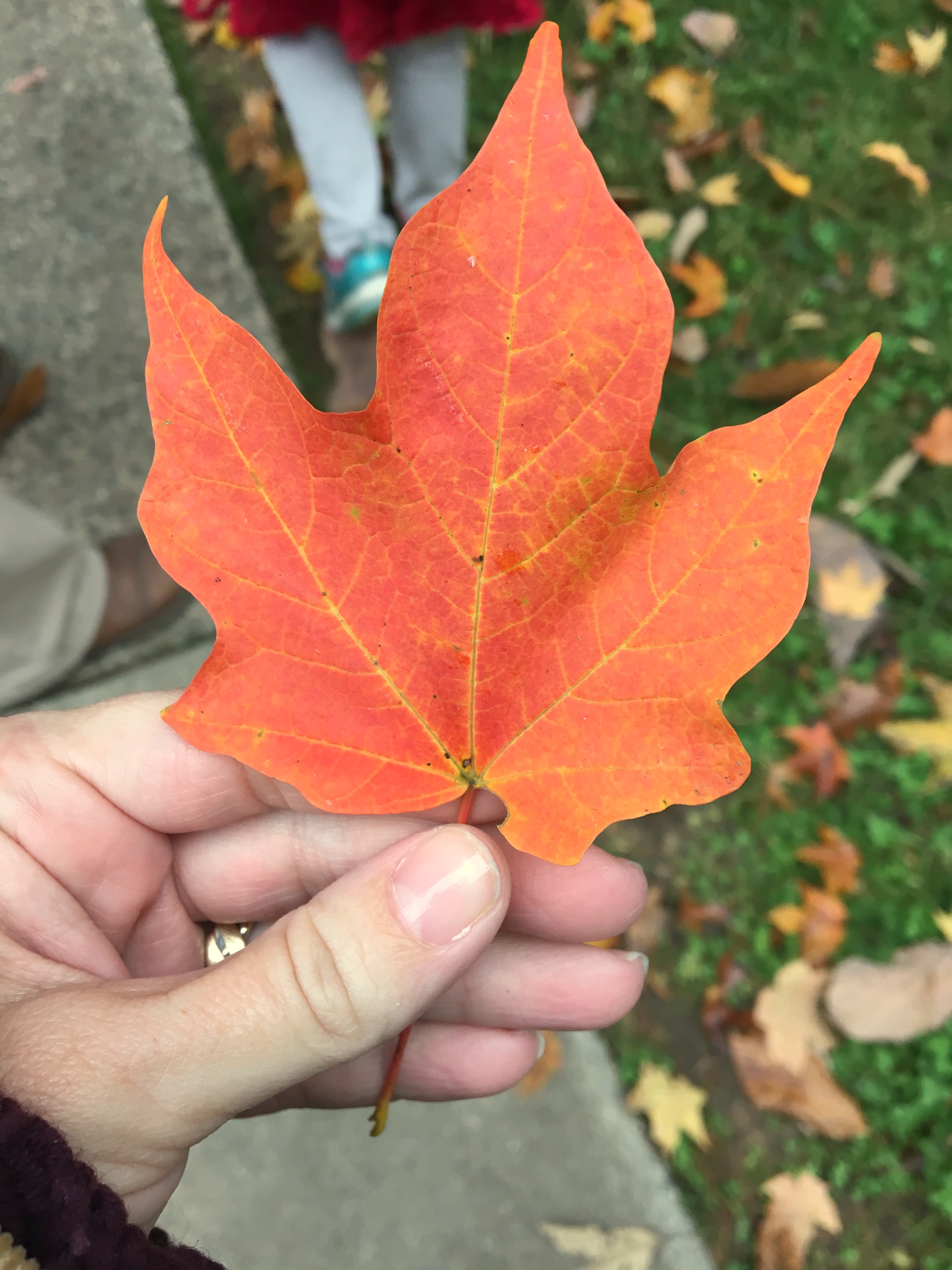
IMG_7493For those of you who read here regularly or know me personally, you know that fall is my favorite season.  Though I know many people love the flowers and the vibrancy of greens in spring, I find the turning of leaves in fall much more beautiful.  There is something poignantly graceful about a tree making a vibrant show of color before losing everything and going bare for the winter.  Whether it’s an entire tree that is vividly yellow, orange, or red, or whether it’s stumbling across a particularly beautiful fallen leaf, I find my breath being taken away time and again in the fall.

Fall just finally began to show in force this past week where I live.  The colors could not have come sooner.  In a time filled with anger, hatred, and violence, I have found myself struggling to see beauty around me.  Instead of the vibrant red of love, I have seen the ugly color of abuse and subjugation.  Instead of flaming orange of peace, I have seen the frightening colors of war and gun violence.  Instead of the brilliant yellow of respect and dignity, I have seen demoralizing color of sexism and racism.  In such times, I have longed to stumble on a stray leaf of hope.

As my mind has reeled with yet another mass shooting in Texas, more women coming forward to protest assault and harassment, and legislation that seems to value personal gain over the relief of the suffering of the poor, I have been wondering if fall would come at all.  And then I realized, perhaps the leaves of hope I have been looking for are everyday people who come into my path and show me vibrant signs of hope.  I see hope in a neighboring pastor who told me about the prayer tent he set up in a nearby neighborhood after a shooting that occurred the night before.  Children were overjoyed to see his presence as they got off the school bus the next day.  I see hope in the yoga teacher who, sensing a need in our community, approached our church to see if we could provide space for a sliding-fee yoga class for people of all income levels.  I see hope in children who teach me a profound sense of empathy instead of the reverse.

This week, I invite you to take a look around you in God’s creation to see the signs of hope and love that God is giving you to revive your spirit.  And I also invite you to take a look around you at the people who are offering you signs of hope and love this week – even in the small gestures of kindness, generosity, and love.  I suspect you will be overwhelmed by the beauty you see, and hopefully inspired to unfurl your own beautiful colors of love, peace, respect, and dignity.

On Busyness…

13 Wednesday Sep 2017

Posted by jandrewsweckerly in Uncategorized

≈ 1 Comment

Tags

beauty, busyness, creation, exuberance, God, habits, holy, joy, lessons, life, savor, sins, white space

We all have habits that pull us away from God.  Mine is the habit of busyness.  In juggling family, work, and self, I can easily fill every second of every day.  Even the fun stuff I schedule can feel like something to be “fit” into the schedule, not delighted in and savored in the moment.  I was particularly convicted of this reality by a speaker I heard at a leadership conference, Juliet Funt, who talked about the value of white space.  She defines white space as the strategic pause taken between activities.  White space is not meditation, letting the mind wander, or mindfulness.  It is a simple, intentional break.  And white space isn’t just for work – it is for the home too.

What struck me about her talk is I realized in my devotion to busyness, I am carving out a life that looks and is experienced in a particular way – a way that I am not sure I necessarily like.  Two things brought this home to me recently.  The first was watching the film About Time.  The plotline was a bit farfetched:  a man who can travel back in time and change parts of his life.  After myriad adventures, what the time traveler eventually realizes (spoiler alert!) is that he does not need to travel anymore.  Instead, he treats everyday like a gift to be savored and celebrated.  He was carving out white space in his life.

The second thing that brought this home was the funeral of a beloved parishioner.  In the eulogy, the family talked about all the life lessons they had learned from their mother, many of which were about living with joy and exuberance.  As I sat listening to the eulogy, I realized that everyday I am filling up my children’s life full of lessons – and I want them to be the right ones.

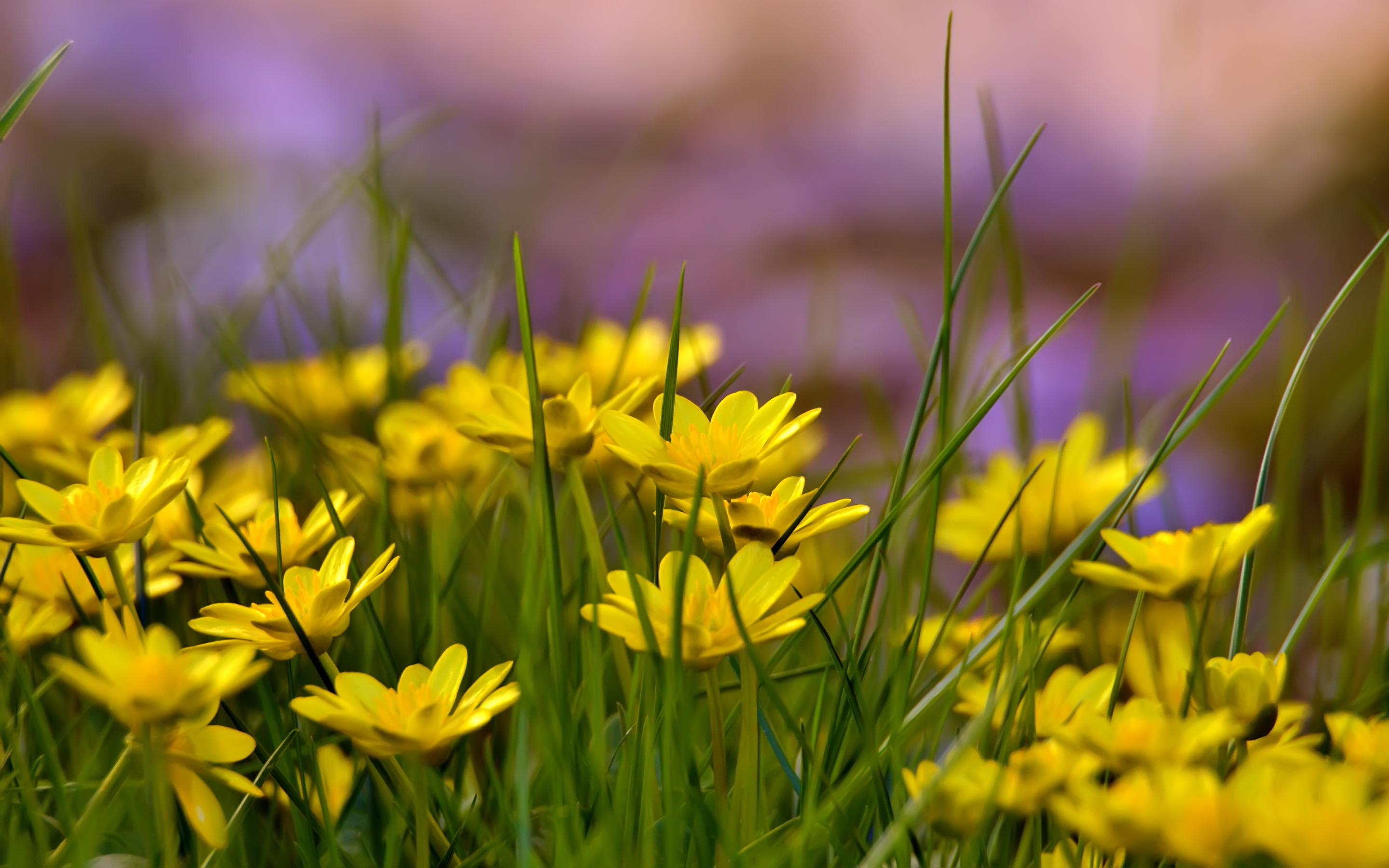
So, taking a cue from the fictional to the very real, I decided to create a little white space this week.  There are some lovely yellow wildflowers blooming on the drive to my children’s childcare facility.  So yesterday, I pulled over, grabbed the phone, and took some pictures of beauty – the beauty of God’s creation in nature and in my children.  It was a small victory, but as my children proclaimed, “That was fun!” I knew I had carved out a little holy space for all of us:  space to say thank you to God for all of our gifts – creation, life, each other.  I invite you today to find a moment of white space.  I can’t wait to hear about what that white space brings!

yellow-flowers-field-background-1

Photo credit:  eskipaper.com/yellow-flowers-field-background.html#gal_post_32591_yellow-flowers-field-background-1.jpg

On Blessings and Curses, and Surviving Thanksgiving Meals

23 Wednesday Nov 2016

Posted by jandrewsweckerly in Uncategorized

≈ Leave a comment

Tags

conflict, creation, fall, family, God, gratitude, heart, leaves, mind, prayer, space, Thanksgiving, Thanksgiving Day

Colorful autumn

Photo credit:  www.fluentu.com/french/blog/french-fall-autumn-vocabulary-word-list

For those of you who know me well (or read this blog each fall), you know that I love the changing of the leaves during Fall.  Fall is my favorite season of the year – the cooler weather, the crunch of leaves, and the brilliant reds, yellows, and oranges that take your breath away.  The leaves turned later than usual this year in Virginia, so I have had time to enjoy their beautiful journey until now.  Just this week, a light wind was blowing, and a tree was raining down yellow leaves like a flower girl before the bride.  Some people like to stop and smell the roses.  I like to stop and revel in the beauty of God’s changing leaves.

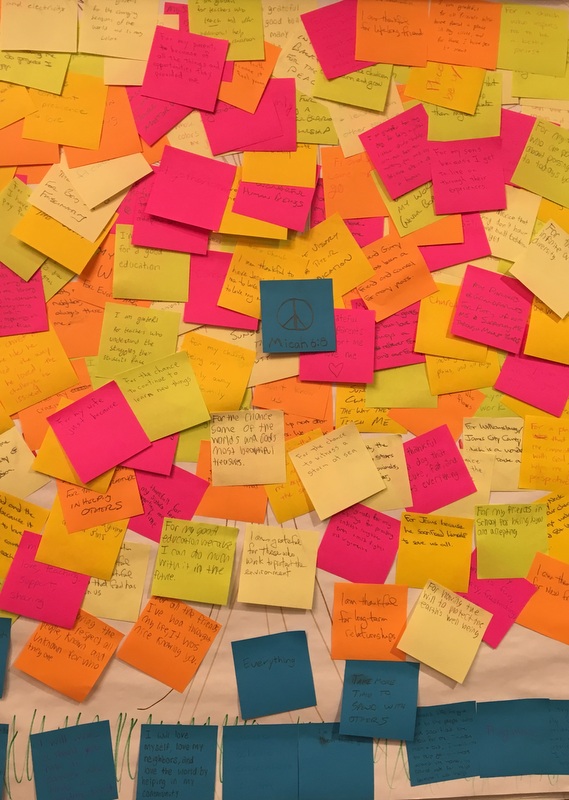
Watching and being fed spiritually by that beauty this year led us to creating a Thanksgiving Tree at Youth Group this past Sunday.  We took a poster with a bare tree, and then used our post-it notes to cover the tree with things for which we are grateful.  We had five categories, including family, relationships, creation, God, and school/work.  I challenged the group to write down three things in each category – not just a one-word response, but an explanation of their gratitude.  Perhaps 15 notes seemed like overkill to the young adults, but what I was hoping was that the more they thought about the blessings in their lives, the less space the negative would have in their hearts and minds.

That is my prayer for each of you this week as we head into Thanksgiving celebrations.  Though we may have Normal Rockwell images of Thanksgiving Day meals in our minds, and although some of you may actually get that experience, the reality of most meals, especially if spent with family, is that they will include a fair share of conflict.  If you are lucky to avoid talking about politics, some other family drama will surely emerge.  Expecting that conflict, I invite you to start praying your thanksgivings.  If your crazy family promises to bring angst, start praying now about the things that bring you joy about each member of your family.  You may have to dig deep (Lord knows your uncle’s jokes can drive you insane – but maybe you can thank God for predictability with your uncle or for the knowing glances of your cousins).  But my guess is that the more you start looking at your family or friends with the eyes of gratitude, there will be a lot more space in your heart and mind for blessings than curses.

If you can master that practice of thanksgiving prayers throughout one of the more stressful days of the year, perhaps you can carry that prayer practice through the next month.  As you hone that spiritual discipline for the next month, you may find it becomes easier to carry it into the next year.  Given our current climate, we are going to need all the space we can get for blessings. img_3401

Homily – Matthew 11.25-30, Feast of St. Francis, October 23, 2016

26 Wednesday Oct 2016

Posted by jandrewsweckerly in Sermons, Uncategorized

≈ Leave a comment

Tags

animals, Blessing of the Animals, burden, creation, easy, homily, light, manageable, poverty, relationship, solidarity, St. Francis, wealth, yoke

Today we honor St. Francis of Assisi, one of the most beloved saints of the church.  Most of us think of Francis as the patron saint of animals and creation.  When we think of him we may think of a St. Francis statue in a garden.  We may think of various images of him preaching to birds.   Some of us may even recall that tale where Francis negotiated peace between a village and a wolf that had been terrorizing the town.  That is why when we celebrate St. Francis’ feast, we also bless animals – the creatures that were so dear to him.  That is also why we often worship outside – honoring God’s creation, which Francis loved so profoundly.

The challenge with honoring Francis in this way is that we forget the other parts of Francis’ life – quite frankly, the much more difficult parts of St. Francis’ life.  You see, Francis’ love of creation comes from a deeper place.  Francis first started his journey to God out of a new relationship with wealth.  Francis was the son of a wealthy businessman in the 1100s.  He had everything at his disposal, and his father wanted him to enjoy that privilege and pass that privilege to Francis’ own children.  But in his early twenties, Francis had an encounter with a beggar that changed everything.  Suddenly the trappings of wealth no longer felt like a safety net or source of comfort – they feel like a burden – a barrier to the life Christ calls us to lead.

And so, Francis renounced the wealth in his life, reportedly even stripping off the clothes his father had given him to show how fully committed he was to this new way of life.  He married “Lady Poverty,” and invited others to join him.  The lifestyle is so austere that many joke that that Francis is one of the most revered, and yet, least followed saints of our faith.

I remember in college having long conversations about living in solidarity with the poor.  We were presented the idea over and over again, but we could not get our heads around what living in solidarity with the poor meant.  Several graduates tried – volunteering for at least a year after college.  Some joined intentional Christian communities, in the hopes that living simple lives in community might help them get closer to that solidarity.  Some traveled to impoverished countries to serve among the poorest, while others worked in the nonprofit sector in the States.  But we always came back to one crucial question:  can we live in solidarity with the poor?  Most of us have a safety net, whether our safety net is family, wealth, education, or citizenship.  Can we even help the poor if we renounce everything like Francis?

I must confess, I do not think there is a good answer to the question about living in solidarity with the poor.  And I am not convinced that most of us can live like Francis, begging and living in tattered clothes.  But what Francis is trying to do is help us see how money gets in the way of our relationship with everything else.  That is why Jesus talked about money so much.  Jesus even led a life much more similar to Francis’ than ours – wandering through life, depending on the hospitality of strangers, and telling his disciples to give up staffs and bags when they go out to meet the people.  Both Jesus and Francis began to learn that living without the comfort of wealth meant entering oneself into a state of vulnerability – a state where true, holy, meaningful relationships begin; a state where everything’s value changes – down to the birds that sing, the creation that breathes beauty, and even the pets that show us unconditional love.

Of course, each of us has to discern what taking up Jesus’ or Francis’ way means for us, knowing that many of us have family obligations and debts that must be managed.  But what Jesus and Francis do today is invite us to not allow those burdens to become an excuse for not making ourselves vulnerable.  Jesus says today, “Take my yoke upon you, and learn from me; for I am gentle and humble in heart, and you will find rest for your souls. For my yoke is easy, and my burden is light.”  For those of you who have worked with farm animals, you know that yokes are meant to fit smoothly on to animals, distributing the weight and burden in a manageable way.[i]  That is what taking on the yoke of Christ, and walking the way of Francis is like – a life, that if taken on, is manageable.  We may be scared to put on our shoulders the burden of vulnerability.  But Jesus promises the burden is light, the yoke is easy.  And Francis shows us the world of beauty that opens when we simply let go.  Amen.

[i] Douglas R.A. Hare, Matthew, Interpretation:  A Bible Commentary for Teaching and Preaching (Louisville:  John Knox Press, 1993), 129

On seeing beauty…

04 Wednesday Nov 2015

Posted by jandrewsweckerly in Uncategorized

≈ 2 Comments

Tags

awe, beauty, creation, fall, God, leaves, love, season, seeing

Photo credit: http://xyer.co/fall-leaves-wallpapers.html

Photo credit: http://xyer.co/fall-leaves-wallpapers.html

Most of you know that fall is my favorite season.  Every year I am blown away by the turning of leaves.  Something about that transition is magical and mystical.  Each tree seems to have a period of glory.  Sometimes it sneaks up you.  You walk on the same path every day.  But one day, that tree has gone from a slow transition to being brilliantly red, orange, or yellow.  It takes your breath away and you literally stop in your tracks.  Sometimes you just stare; but sometimes you close your eyes, taking a deep breath of the cool, autumn air, the image of those colors blazed in your mind.

Over the years I have had my favorites.  In seminary, there were three small trees planted in a triangle formation.  They turned a brilliant yellow every year.  But when the leaves fell, three circles of yellow formed on the grass.  I couldn’t help thinking of our Trinitarian God looking at those concentric circles of yellow bliss.  In my first curacy there was a bush on the church campus that turned blazing red.  It was one of those that would sneak up on you.  Fortunately, it always held its leaves for a while, so its color was a daily gift of joy for weeks.  Here at St. Margaret’s there is a wall of trees lining the front entrance of the property.  They are enormously tall, but otherwise unassuming.  Their leaves aren’t even pretty in shape.  But, when the time is right, they all turn a beautiful yellow that becomes stunning when the sun hits them just right.

As I was walking the property this week, I wondered whether God looks at each of us the way that I lovingly look at the changing leaves.  I wonder whether God sees heart-stopping beauty in each of us, gasping in awe of us.  Of course, we could never see ourselves in such awe-inspiring ways, but I imagine God can.  And unlike us, who have our favorite seasons, I imagine God is in awe of us in all seasons of life.  When we are budding with new life, when we are deep shades of green, when we explode in shockingly beautiful colors, and even when we are bare and vulnerable, God sees our beauty always.

If God can see that kind of beauty in us, how might our behavior change if we started seeing that same beauty in ourselves and in others?  The work would be hard.  I don’t always like the brusque winters or the lazy summers I sometimes see in others.  Sometimes I look at myself and only see the ugly shape of my leaves and not their brilliant color.  But if God is willing to see the beauty in all seasons of my life, perhaps I can start trying to see the beauty in myself and others too.

← Older posts
Newer posts →

Recent Posts

  • On the Myth and Magic of Advent…
  • On Risking Failure and Facing Fear…
  • Sermon – Luke 23.33-43, P29, YC, November 23, 2025
  • On Inhabiting Gratitude…
  • Sermon – Luke 20.27-38, P27, YC, November 9, 2025

Archives

  • December 2025
  • November 2025
  • October 2025
  • September 2025
  • August 2025
  • July 2025
  • June 2025
  • March 2025
  • February 2025
  • December 2024
  • November 2024
  • October 2024
  • September 2024
  • August 2024
  • July 2024
  • June 2024
  • May 2024
  • March 2024
  • February 2024
  • January 2024
  • December 2023
  • November 2023
  • October 2023
  • September 2023
  • August 2023
  • July 2023
  • June 2023
  • May 2023
  • March 2023
  • February 2023
  • January 2023
  • December 2022
  • November 2022
  • October 2022
  • June 2022
  • May 2022
  • January 2022
  • December 2021
  • November 2021
  • October 2021
  • September 2021
  • August 2021
  • June 2021
  • May 2021
  • April 2021
  • March 2021
  • February 2021
  • January 2021
  • December 2020
  • November 2020
  • October 2020
  • September 2020
  • August 2020
  • July 2020
  • June 2020
  • May 2020
  • April 2020
  • March 2020
  • February 2020
  • January 2020
  • December 2019
  • November 2019
  • October 2019
  • September 2019
  • August 2019
  • July 2019
  • June 2019
  • May 2019
  • April 2019
  • March 2019
  • February 2019
  • January 2019
  • December 2018
  • November 2018
  • October 2018
  • September 2018
  • August 2018
  • July 2018
  • June 2018
  • May 2018
  • April 2018
  • March 2018
  • February 2018
  • January 2018
  • December 2017
  • November 2017
  • October 2017
  • September 2017
  • August 2017
  • July 2017
  • June 2017
  • May 2017
  • April 2017
  • March 2017
  • February 2017
  • January 2017
  • December 2016
  • November 2016
  • October 2016
  • September 2016
  • August 2016
  • July 2016
  • June 2016
  • May 2016
  • April 2016
  • March 2016
  • February 2016
  • January 2016
  • December 2015
  • November 2015
  • October 2015
  • September 2015
  • August 2015
  • July 2015
  • June 2015
  • May 2015
  • April 2015
  • March 2015
  • February 2015
  • January 2015
  • December 2014
  • November 2014
  • October 2014
  • September 2014
  • August 2014
  • July 2014
  • June 2014
  • April 2014
  • March 2014
  • February 2014
  • January 2014
  • December 2013
  • November 2013
  • October 2013
  • September 2013
  • August 2013
  • July 2013
  • June 2013
  • May 2013
  • April 2013
  • March 2013
  • February 2013
  • January 2013
  • December 2012
  • November 2012
  • October 2012
  • September 2012

Categories

  • reflection
  • Sermons
  • Uncategorized

Meta

  • Create account
  • Log in
  • Entries feed
  • Comments feed
  • WordPress.com

Blog at WordPress.com.

  • Subscribe Subscribed
    • Seeking and Serving
    • Join 394 other subscribers
    • Already have a WordPress.com account? Log in now.
    • Seeking and Serving
    • Subscribe Subscribed
    • Sign up
    • Log in
    • Report this content
    • View site in Reader
    • Manage subscriptions
    • Collapse this bar
 

Loading Comments...